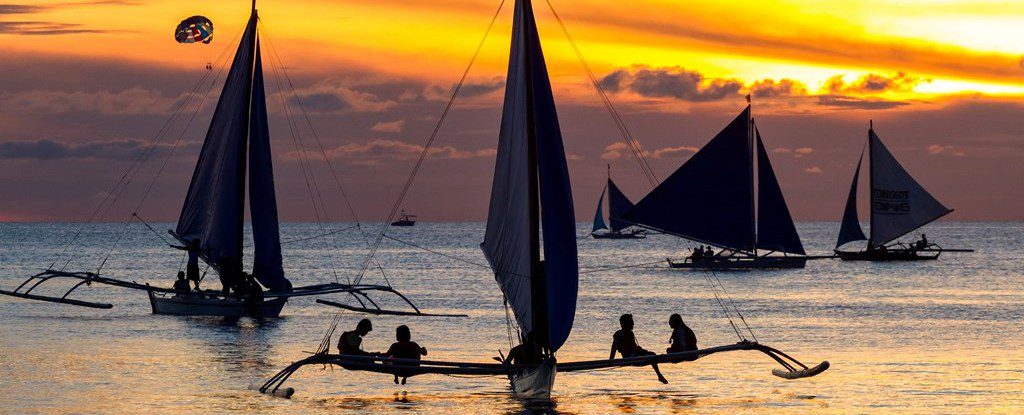
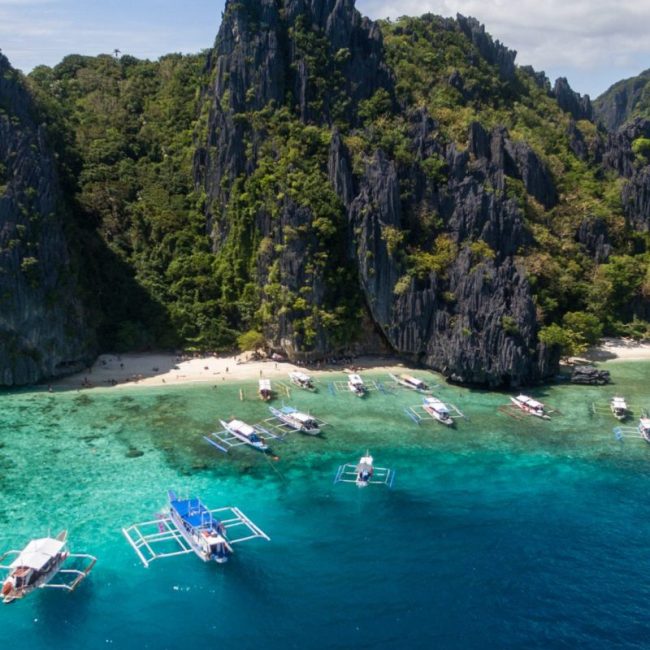
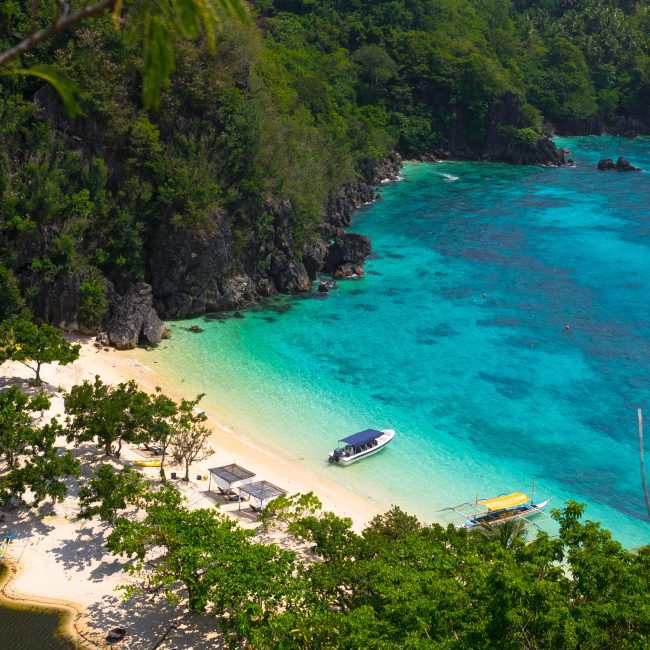
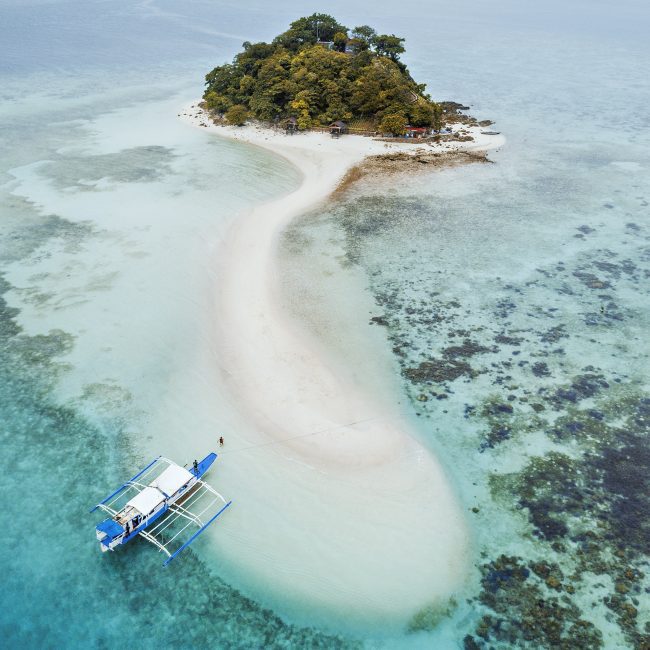
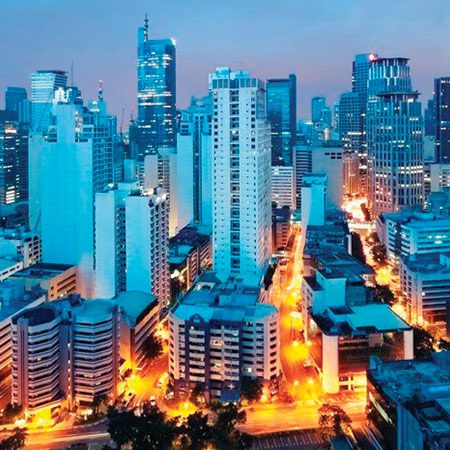
Discover the Philippines: pristine beaches, stunning landscapes, and vibrant cities.

Plan your dream trip with Turismo Filipino, your local experts.

We’ve got all the insider tips and customized itineraries for an unforgettable adventure.

Explore our guide and start planning today!


Worth watching! A short video showcasing the most beautiful places in the Philippines.

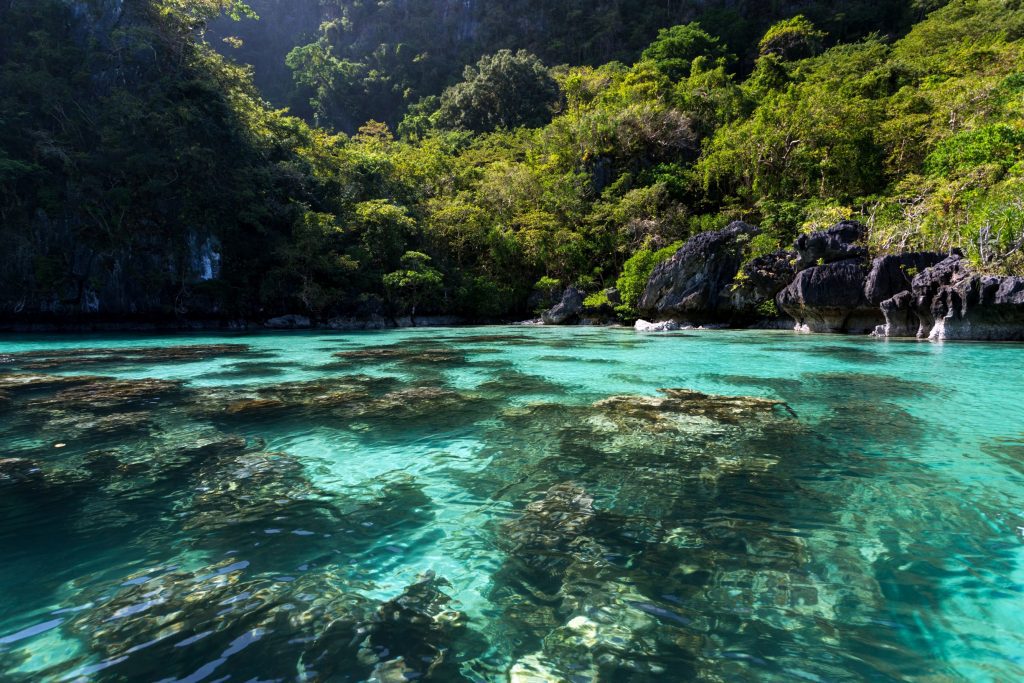
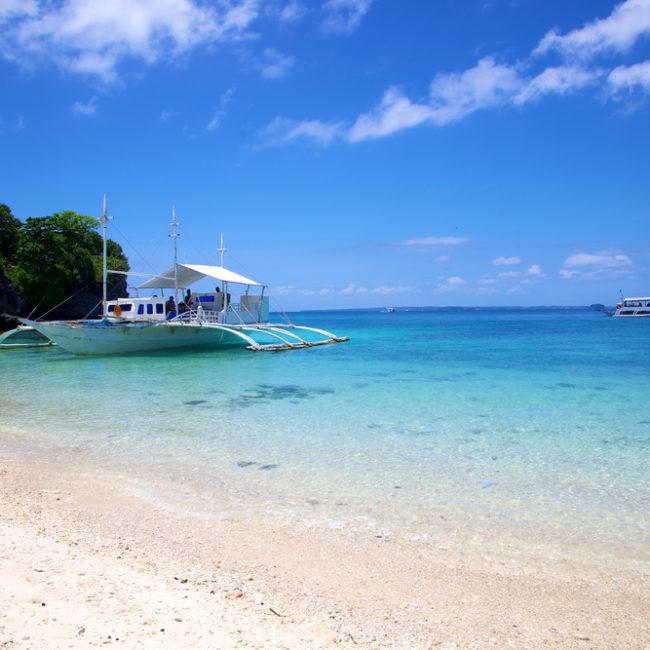
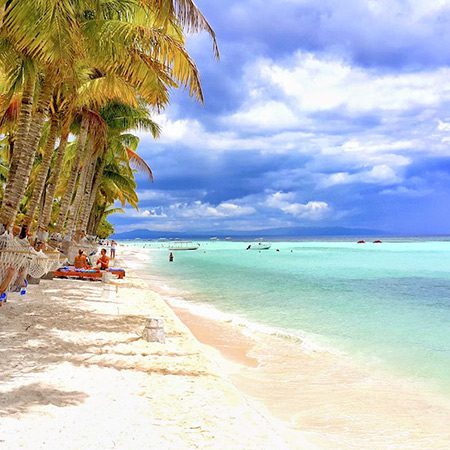
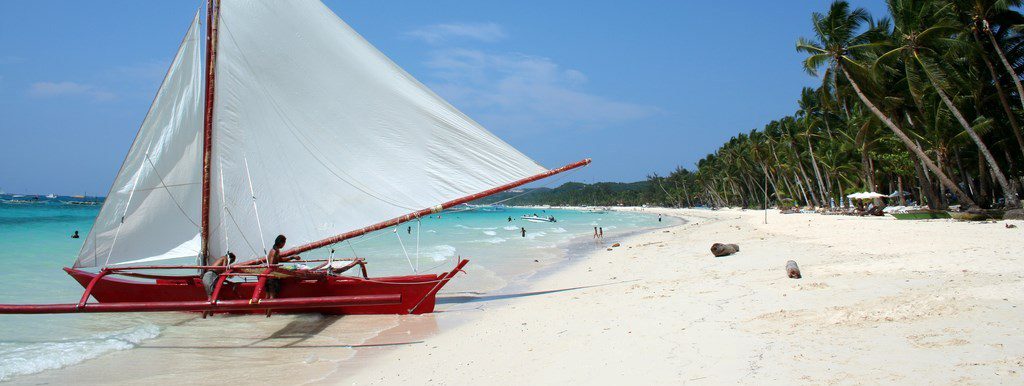
The Philippines, a breathtaking archipelago nestled in the heart of Southeast Asia, is a symphony of vibrant cultures, stunning landscapes, and warm hospitality. With over 7,107 islands scattered across turquoise waters, the country offers a treasure trove of experiences for every type of traveler. Imagine pristine beaches fringed with swaying palm trees, hidden lagoons reflecting emerald hues, and volcanic peaks reaching for the sky. This is the Philippines, a land where adventure and tranquility intertwine.

As one of the world’s most biodiverse countries, the Philippines is a haven for unique flora and fauna. Explore lush rainforests teeming with exotic wildlife, dive into vibrant coral reefs brimming with colorful marine life, and trek through breathtaking rice terraces carved into the mountainsides. From the iconic tarsier, a tiny primate with enormous eyes, to the majestic Philippine eagle soaring above the canopy, the country’s biodiversity is a testament to its natural wonders.

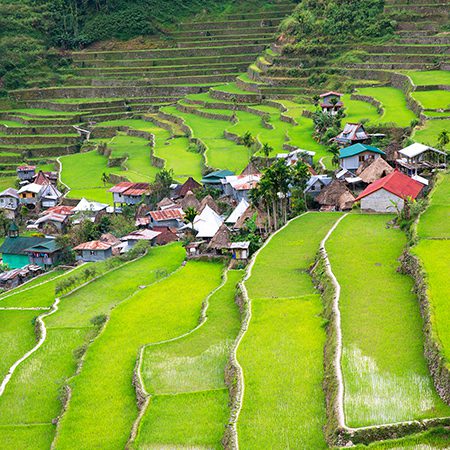
Beyond its natural beauty, the Philippines boasts a rich cultural tapestry woven from centuries of history and tradition. The warmth and friendliness of the Filipino people are legendary, and their smiles are as radiant as the tropical sun. Immerse yourself in the vibrant local culture, explore bustling cities steeped in colonial history, and discover charming villages where ancient traditions are still practiced today. Whether you’re island hopping through the Visayas, exploring the historic streets of Vigan, or hiking to the majestic Banaue Rice Terraces, the Philippines offers a journey of endless discovery.

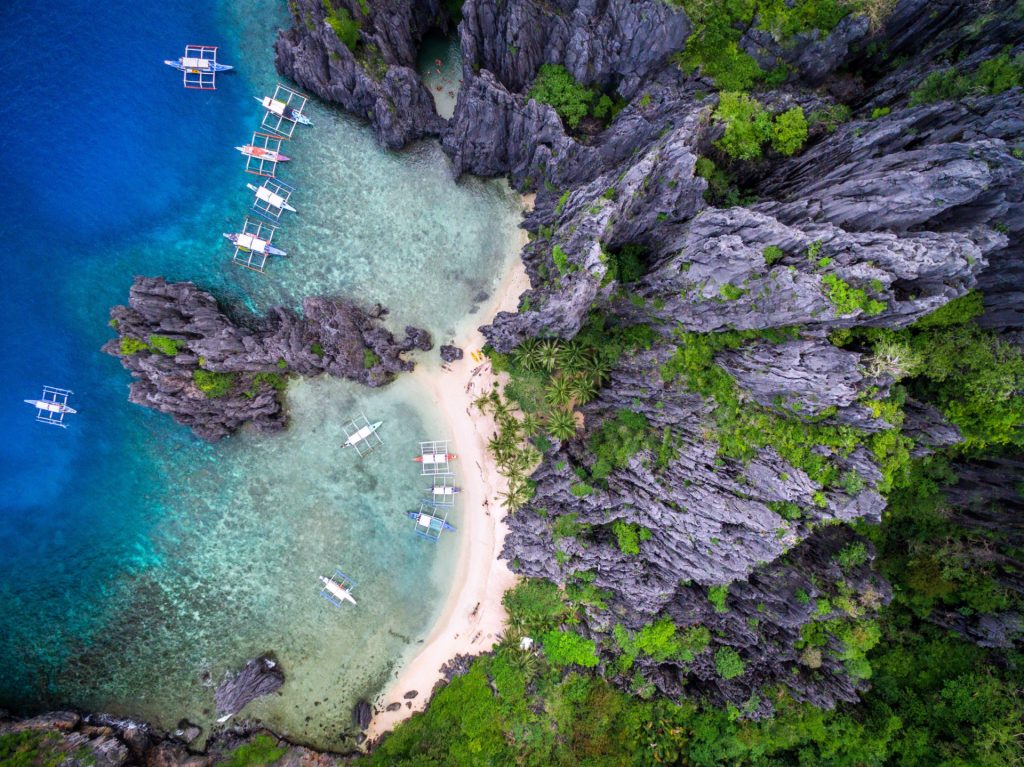
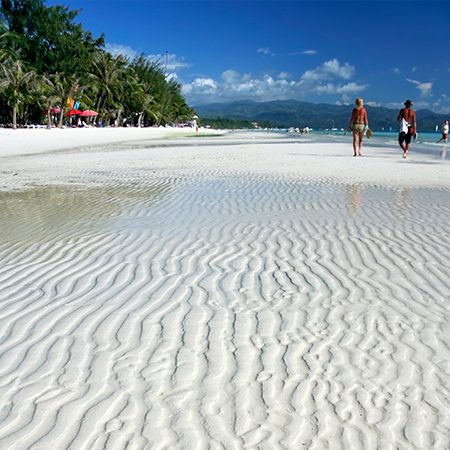
From thrilling adventures to moments of peaceful serenity, the Philippines has something for everyone. Surf world-class waves in Siargao, kayak through the enchanting lagoons of El Nido, or simply unwind on the powdery white sands of Boracay. Indulge in delectable Filipino cuisine, a fusion of flavors influenced by Malay, Spanish, and Chinese traditions. Whether you seek adrenaline-pumping activities, cultural immersion, or simply a relaxing escape, the Philippines promises an unforgettable experience that will stay with you long after you’ve left its shores.

Tips for Traveling in the Philippines

The Islands of the Philippines – Thousands of Dreamy Islands Await You!


Among the 7,107 islands of the Philippines, there are several that have captured headlines in recent years, both locally and globally. Among them, Boracay Island received the prestigious title of “World’s Best Island” for the year 2012 and continues to garner acclaim year after year. Another noteworthy island is Palawan, home to the underground river that was recently recognized as one of the “New 7 Wonders of Nature.” Additionally, the El Nido region within Palawan has received numerous highly praised articles for its stunning accommodations, breathtaking lagoons, and the incredible beauty of its local paradise.

Several sites and islands in the Philippines have earned international accolades. For instance, Boracay Island, mentioned above, Palawan with its renowned underground river, the town of Vigan which recently earned a well-deserved title, and the Banaue Rice Terraces, a UNESCO-listed site famously known as the “Eighth Wonder of the World.”

These are just a few examples of the remarkable beauty and recognition that the Philippines and its islands have received on a global scale.


The Philippines – Breathtaking Views


Every visitor to the Philippines will encounter the warmth and hospitality that envelops them, with Filipinos always ready to extend a welcoming hand and a smile. The beautiful beaches and the archipelago as a whole, the popular diving sites, the lush mountain ranges, and numerous waterfalls adorn every corner. Moreover, there are the wonders of nature that can only be found in the Philippines.


Manila – A City That Never Sleeps and Vibrant Nightlife


The capital city is Manila, and it’s worth knowing that it’s the third-largest English-speaking country in the world. Manila is a city that truly never sleeps! In Manila, you can find historical sites for day trips that will take you back hundreds of years, to both the painful and joyful past of the Philippines. After long and enjoyable days exploring Manila, you can enjoy vibrant nightlife in clubs that cater to every budget and style.


Enjoyable Day Trips Around Manila


During your stay in Manila, you can explore various nearby attractions. For example, you can visit Taal Volcano, known as the world’s smallest volcano, often referred to as the “volcano within a volcano.” Another option is taking a day trip to Pagsanjan Falls, where you can enjoy a boat ride that will take you away from the town’s hustle and bring you to the famous waterfall, which was featured in the movie “Apocalypse Now.”

Near Manila, there are plenty of other day trip options apart from the well-known trips to Pagsanjan Falls and Taal Volcano. You can go trekking on Mount Pinatubo, which is famous and located in Pampanga. There, you can also enjoy a thrilling 4×4 ride operated by locals, experience an amazing tricycle tour, and finish your day at the relaxing spa and wellness facilities around the volcano.

South of Manila, you’ll find Hidden Valley, a vast complex of natural hot and cold springs fed by nearby springs. While exploring Hidden Valley, you can enjoy a pleasant walk among stunning waterfalls and a lush rainforest with centuries-old Amlang trees.

These are just a few of the many exciting day trip options you can explore from Manila, offering a diverse range of experiences and natural beauty.


The Philippines is divided into three main geographical island groups:


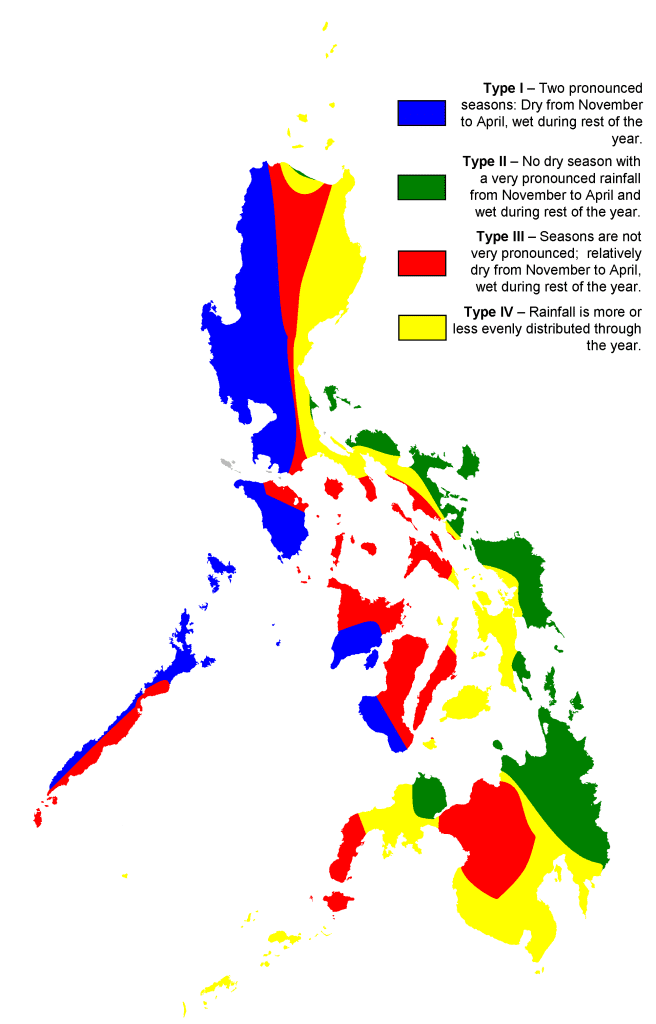
The Philippines is divided into three island groups known as ‘Luzon,’ ‘Visayas,’ and ‘Mindanao,’ which are further subdivided into 17 regions. Within these regions, there is a division into provinces, barangays (sub-regions within provinces), and so on. The attached map illustrates the division into island groups and different regions in the Philippines, with the majority of well-known tourist sites concentrated in the ‘Luzon’ and ‘Mindanao’ island groups. It’s worth getting acquainted with the Philippines map.


Trips in the Philippines – The Must-Visit Destinations You Shouldn’t Miss…

The “hot” destinations in the Philippines included in most travel itineraries are:

Banaue / Batad Rice Terraces: Located in the province of Ifugao in northern Luzon, these stunning rice terraces are a UNESCO World Heritage site known for their breathtaking beauty, Sagada: A small and charming town about a two-hour drive from Banaue, famous for its unique burial caves and natural beauty, Kalinga: Located north of Banaue, Kalinga is home to the legendary tattoo artist Apo Whang Od, the last mambabatok (traditional tattoo artist) of her province. You can also experience excellent white-water rafting here, especially after the rainy season in the Philippines.

In addition to these, on the island of Luzon, you can also find other notable attractions such as Mount Pinatubo, Taal Volcano, Pagsanjan Falls, the Hidden Valley, and the famous diving spots in the Tubbataha Reefs Natural Park and Puerto Galera.

A magical place known as Palawan


Palawan, the stunning island, is also part of the Luzon island group within the Mimaropa region. There, you can find the famous underground river, El Nido, with its breathtaking beauty, and the island of Coron, located to the north of Palawan.

In the Visayas group of islands, you can find the famous Boracay Island, the pristine Iloilo area where Guimaras Island is located, known for its sweet mangoes, Cebu Island, Bohol Island, Negros Oriental, and more!

In the Mindanao group of islands, you can find Davao, a relatively isolated and preserved area in Mindanao known for its white sandy beaches, Mount Apo, the tallest mountain in the Philippines, and the famous Pearl Farm in the area. In Mindanao, you can also explore Camiguin Island, which is considered an emerging tourist destination with its white sandy beaches and several volcanoes on the island.


Trips in the Philippines – breathtaking views, natives in hidden villages, and sweet relaxation


The tours offered on our website are very diverse. In the Philippines tour packages that we offer, you will have the opportunity to see the famous and popular sites in the country. There are several excellent options for tours in different regions, with different styles and price ranges, all according to your preferences. If you have a short time to visit the Philippines, you can choose tours of 10-16 days that cover stunning areas in the Philippines, including the well-known ones.

For those with longer periods, we assist in building a suitable package based on your budget, the nature of the trip, and the desired attractions. “Tourismo Filipino” works with partners on various islands, carefully selected after years of working closely with local authorities. With their help, we offer tours in different regions of the country.


Planning a trip to the Philippines

When planning a trip to the Philippines, it’s important to remember that the country is vast in size, and infrastructure is still underdeveloped in many regions. Public transportation can be somewhat challenging, so it’s essential to carefully plan your travel itinerary, consider the means of transportation between places, and more.

It’s crucial to plan your travel itinerary in advance, thoroughly research the various destinations and attractions, understand the distances involved, and allocate sufficient time for moving from one place to another, whether by ferry, land transport, or air travel.

In most cases, traveling between the islands is best done by air as it is usually the fastest and cost-effective way. However, when landing in Manila, which is often the case, it’s important to note that there are multiple terminals that may be quite distant from each other, taking around 5-10 minutes without traffic or 30-45 minutes with traffic to transfer between terminals.

If you have an international flight from a specific terminal and a domestic flight from another, consider the transfer time, check-out, and check-in procedures at each terminal.


Visa to the Philippines

For Israeli citizens, there is no need for a visa in advance for Filipinos. We have the privilege of receiving up to 59 days from the moment of entry into the country. If you wish to extend your stay in the country, you can obtain an extension at one of the various immigration offices.


Vaccinations and Hospitals

It is advisable to consult with a travel clinic before traveling to the Philippines, preferably at least a few months before your arrival. Vaccination requirements and recommendations may change over time.

Throughout the Philippines, you can find hospitals and private clinics. In fact, on every island, you can find small hospitals, but it is highly recommended to check in advance with people who are familiar with the area whether the hospital is adequate for treatment and, of course, for emergencies if the need arises.


The map of the Philippines (with links to selected destinations in the country)

More destinations...

El Nido, Palawan

Caramoan

Coron

Manila

Cebu Island

Banaue

boracay tour package

Boracay Island

Bohol Island

When you arrive in the Philippines, it’s advisable to buy a local SIM card that will help you communicate with locals, various travel companies, and even authorities in case of emergencies, all at local prices.

You can purchase SIM cards right upon your arrival at various airports

So, what should you ask for?


The main cellular networks in the Philippines are Globe, Smart, Sun, TM, and Talk N Text. However, it is advisable to purchase a SIM card from one of the two well-known and larger networks, which also offer better nationwide coverage.

The main and larger networks: Globe and Smart.


A SIM card from Smart or Globe will cost around 45 pesos, which is approximately $1. You will also need to load the SIM card for calls, which will cost you at least 10 pesos and above. It’s advisable to get around 300 pesos worth of load, which should be sufficient for both calls and internet usage.

Internet:

There are several options for internet access, but the common and convenient choice is using mobile data on your phone. The cost for unlimited internet access for 5 days is around 200 pesos, and for a month, it’s approximately 1,000 pesos. At the airport, at the stalls that sell SIM cards and load, they can also assist you in registering for mobile internet.

Another option is to rent a portable Wi-Fi modem, which allows you to connect up to 5 devices (such as your phone, laptop, etc.). The cost for internet access with the portable modem is also around 1,000 pesos per month for unlimited usage.

Another advantage of using a local SIM card is that people from Israel can call you directly, and you won’t be charged for incoming calls.


Unlimited internet and call plans from Globe and Smart:


Globe:


Smart:


Tips for Service Providers in the Philippines

Many times we have been asked about tips in the Philippines – “how much to give” and whether it is necessary to leave a tip for service providers at all…


So let’s clarify this topic once and for all!


In the Philippines, it is customary to leave tips everywhere, from the person who opens the taxi door for you even if you didn’t request it, through service providers in hotels, to guides and drivers who accompany you during the trip.


“How much to give…?”


When you arrive at a hotel in the Philippines, it is highly likely that one of the hotel representatives will take your luggage to your room, and it’s also highly likely that they will expect a tip. If you’re staying at luxury or 5-star hotels, the sky’s the limit, and it’s likely that your mood will determine the tip amount, but you probably won’t want to leave more than 100 pesos. Anything slightly less than that would still be acceptable, but remember that someone before you might have given much more.

In 3-4 star hotels, you can also give around 50 pesos, depending on the level of service, smiles, friendliness, and, of course, your mood.

In budget hotels and hostels, it’s up to your discretion, but 20-40 pesos would be fine.

These are not fixed or universally agreed upon amounts but rather a guideline to consider.

For drivers in the Philippines, it’s customary to give around 100 pesos per day to a driver who accompanies you throughout the day. If you feel like it, you can also treat them to lunch, even though they usually receive it as part of their payment. If you stay with the same driver for several consecutive days, simply multiply the amount by the number of days, and if they did a great job, why not add a little extra for their good service?

Tour guides in the Philippines receive a fixed amount for guiding per day, but there are cases where the guiding fees are relatively low compared to the amount of work they put in. If the guide goes the extra mile, consider rewarding them, especially if they accompany you for multiple days.

In restaurants in the Philippines, a customary tip is 10%, like in many other places. However, in many cases in the Philippines, service charges are included in the meal prices, and some people choose not to leave an additional tip. If the service was good, why not leave a tip?

If there was no included service charge, it is recommended to leave at least 10%, as service providers are often very friendly and accommodating throughout your meal.

Airport representatives who handle your luggage often expect tips from many people, including those who may not be aware of the customary tip amounts in the Philippines. A range of 50-200 pesos for the service provider, whether they take your luggage from outside the airport to the check-in counter inside the airport or vice versa, is generally acceptable. If you want to be more generous, giving 200-300 pesos is also fine.

The average salary for a service provider ranges from 8,000 to 12,000 pesos, depending on their job and position. So, you can quickly calculate and decide how to approach the tipping amount based on their service level.

Taxi drivers, if they have been courteous and didn’t try to overcharge, cheat, or engage in any questionable practices, you can consider giving them an additional tip, especially if you had a pleasant experience during the ride and afterward. This is especially true if they helped you get to places you may not have reached on your own.


In summary!


Every service provider in the Philippines expects a tip. It depends on your mood, the service you received, and the place where you received the service.


**All the amounts and tips mentioned here are based on the author’s familiarity and may not be suitable for every traveler in the Philippines. You should “feel” the place and the service provider and decide accordingly.


Have a great trip and a pleasant day!


Tourismo Filipino – Travel in the Philippines


Mabuhay!!!
 

You don't have permission to register